
GoPro's Fall: From $13 Billion to $285 Million
On September 1, action‑camera brand GoPro shocked the industry with a "sale" announcement. Under the deal, GoPro agreed to sell 90% of its shares to Starman Optical at $1.14 per share. The total transaction amount was about $285 million, and the deal is expected to close by the end of 2026. At that time, GoPro's remaining debt of roughly $92 million will be wiped out in one go.
To be more accurate, this wasn't really a buyout—it felt more like a merger. After the deal, GoPro's current shareholders will own about 10% of the new combined company. GoPro will still remain a publicly traded company and won't become a fully owned subsidiary of Starman Optical. This move not only brought fresh cash into GoPro, which was struggling on all sides, but also helped it pay off its debt. The stock market seemed to like the deal—GoPro's share price jumped sharply after the news.
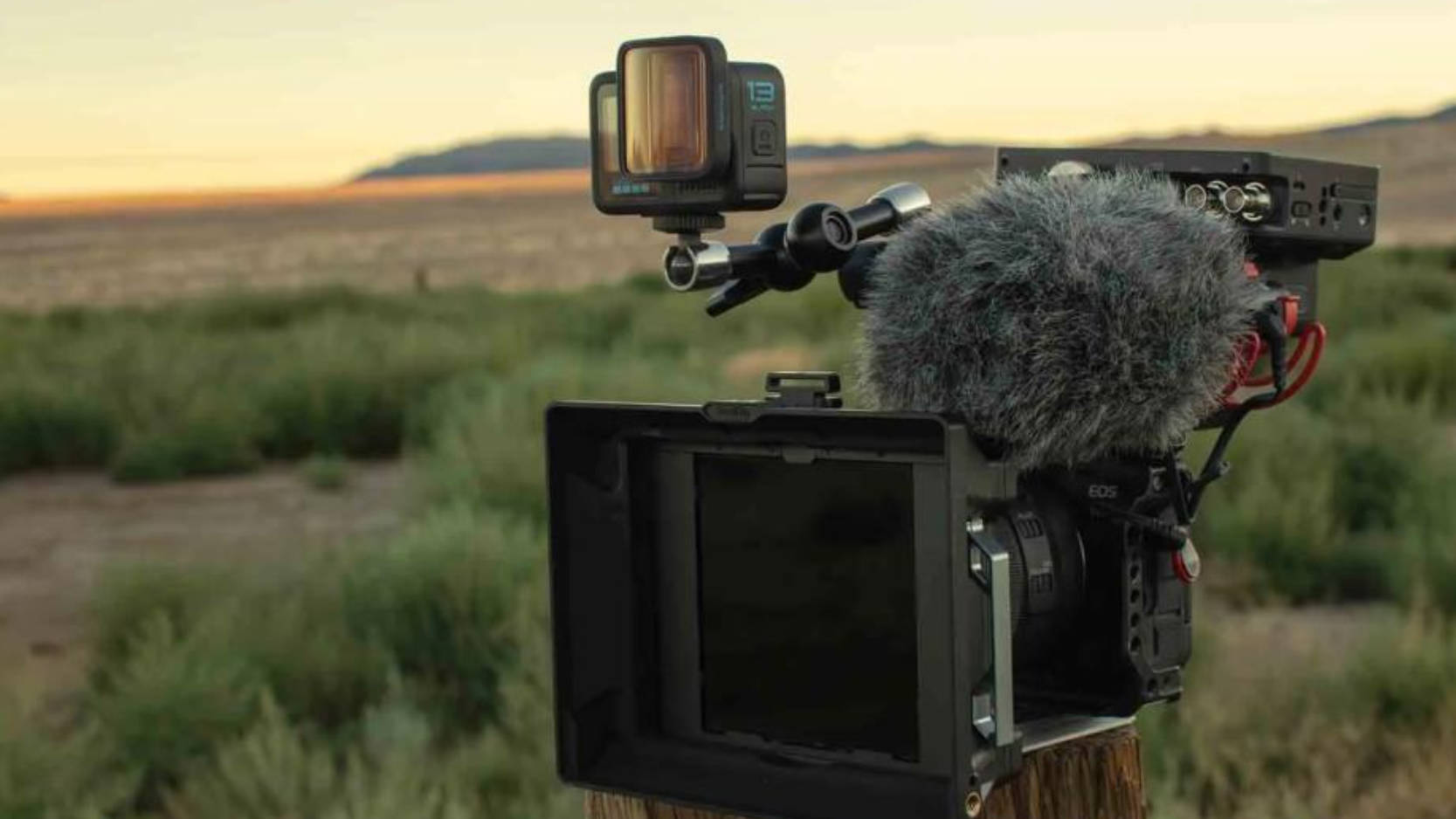
Let's rewind to 2014. GoPro made a big debut on the Nasdaq, with its market value peaking at over $13 billion. The year after its IPO, revenue hit an all‑time high of $1.62 billion, and the company held more than 75% of the global action‑camera market. Back then, GoPro was practically the name for action cameras. Its founder, Woodman, was even called "the next Steve Jobs" in the hardware world.
No one at GoPro back then would have guessed that twelve years later, the company would be sold for just $285 million—a drop of nearly 99% in value—and would be close to going bankrupt and being delisted.
So how did this company, which single‑handedly created the golden age of action cameras, fall so far?
There were three fatal mistakes.
First, GoPro spent heavily on drones and building its own media platform, but the drones were recalled, and the core camera business was put on hold for too long.
Second, its upgrade cycle was too slow. It was completely outrun by the Shenzhen supply chain. Every new GoPro model only brought small, slow improvements—nothing exciting. It was expensive, not very smart, and slow to improve. Who would want to buy that?
Third, GoPro lost key patent lawsuits. That meant it couldn't block its competitors, nor could it make money from its patents. Worse, the losses made it clear that its technological edge was no longer what it used to be.