
RayNeo iO
I’ve been using the RayNeo iO for quite a while now, so let me share what it’s really like to live with. As a smart glasses model that claims to have proactive AI, I was curious: what’s actually new about its AI features? And do they make everyday life and work any more efficient?
Design
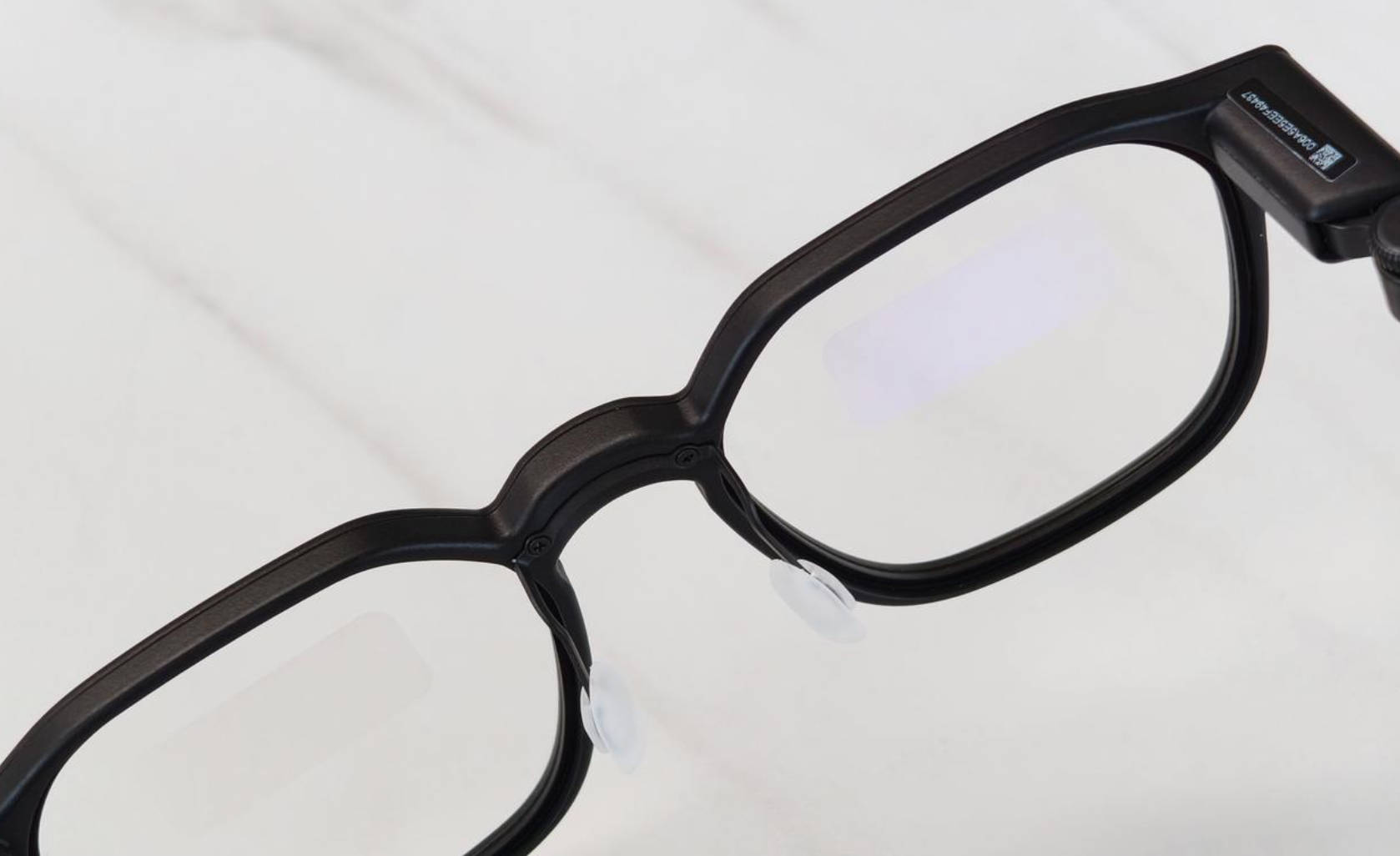
The RayNeo iO comes in two colors and looks just like normal glasses. The ends of the temples are a bit thicker because they hold the battery and main board, but that part hides behind your ears when you wear them, so they still look very ordinary.
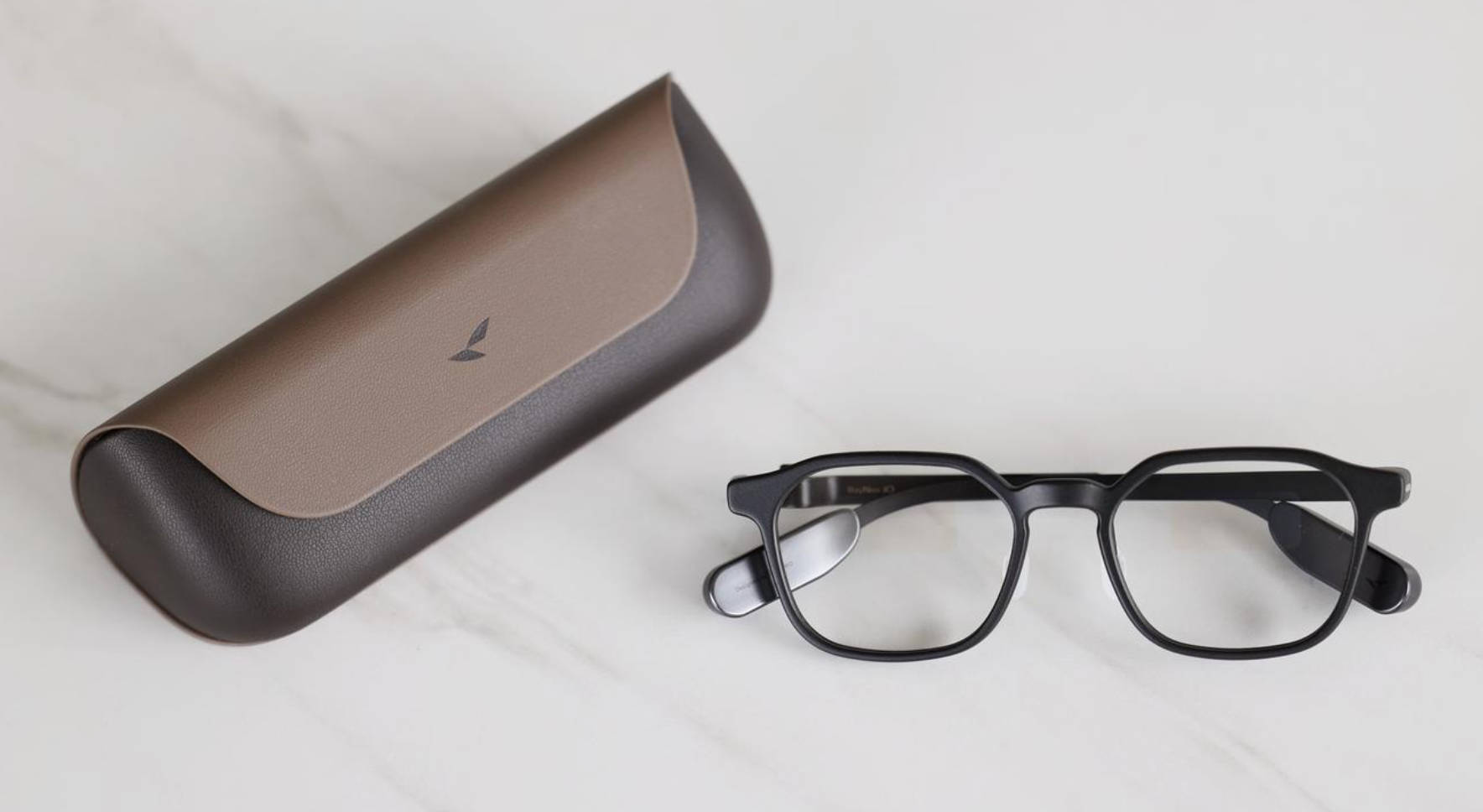
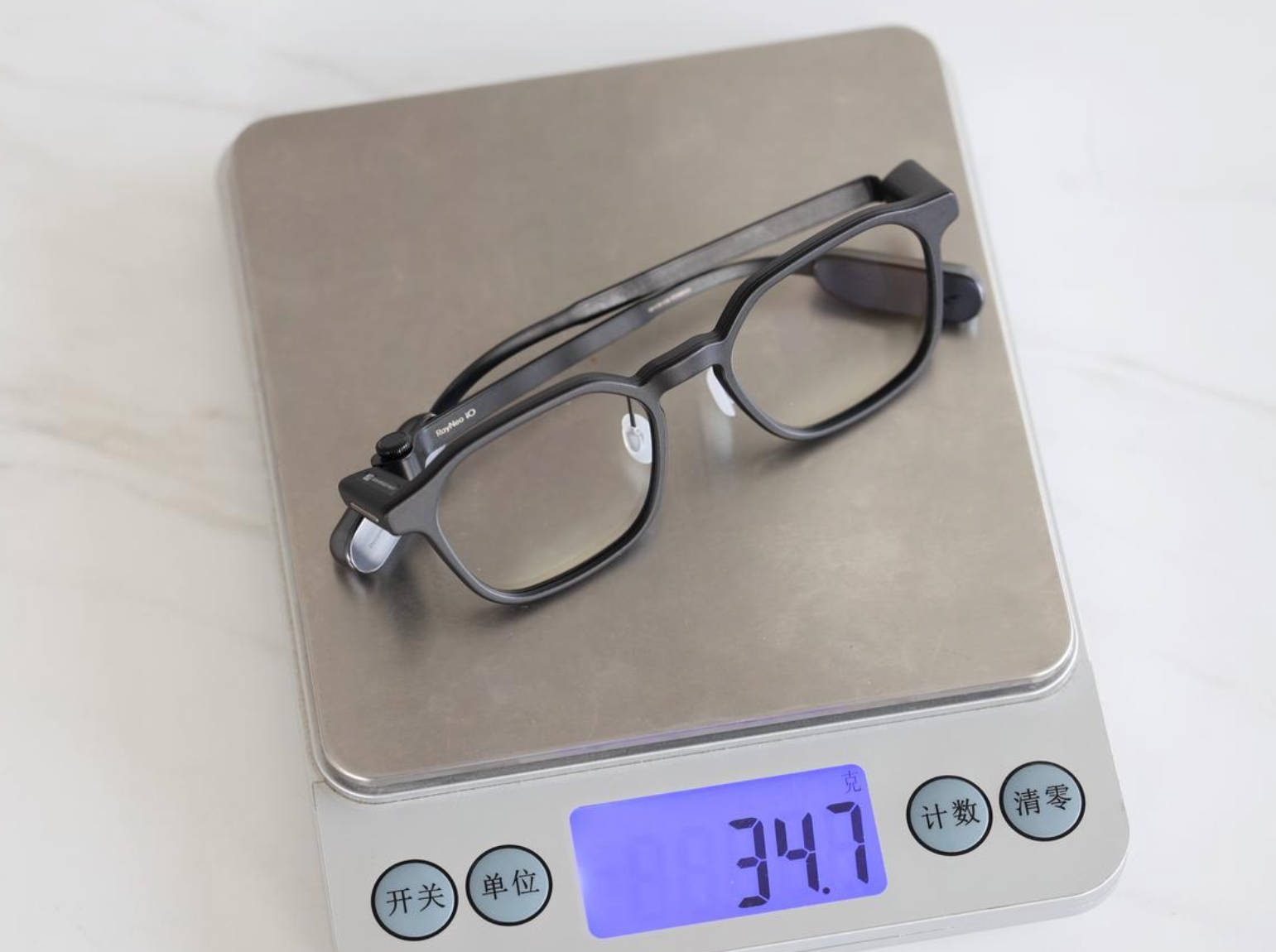
Putting the battery at the back has two benefits: first, it keeps the front frame and temples slim since they don’t have to pack everything up front; second, it balances the weight better—front and back are even, so even if you wear them all day, your nose and ears won’t feel sore. They also come with soft silicone tips for the temples that feel comfortable on your skin and help prevent slipping and sweating. I weighed them—just 34.7 grams, which is very light, almost the same as traditional full‑frame glasses.
Using Them
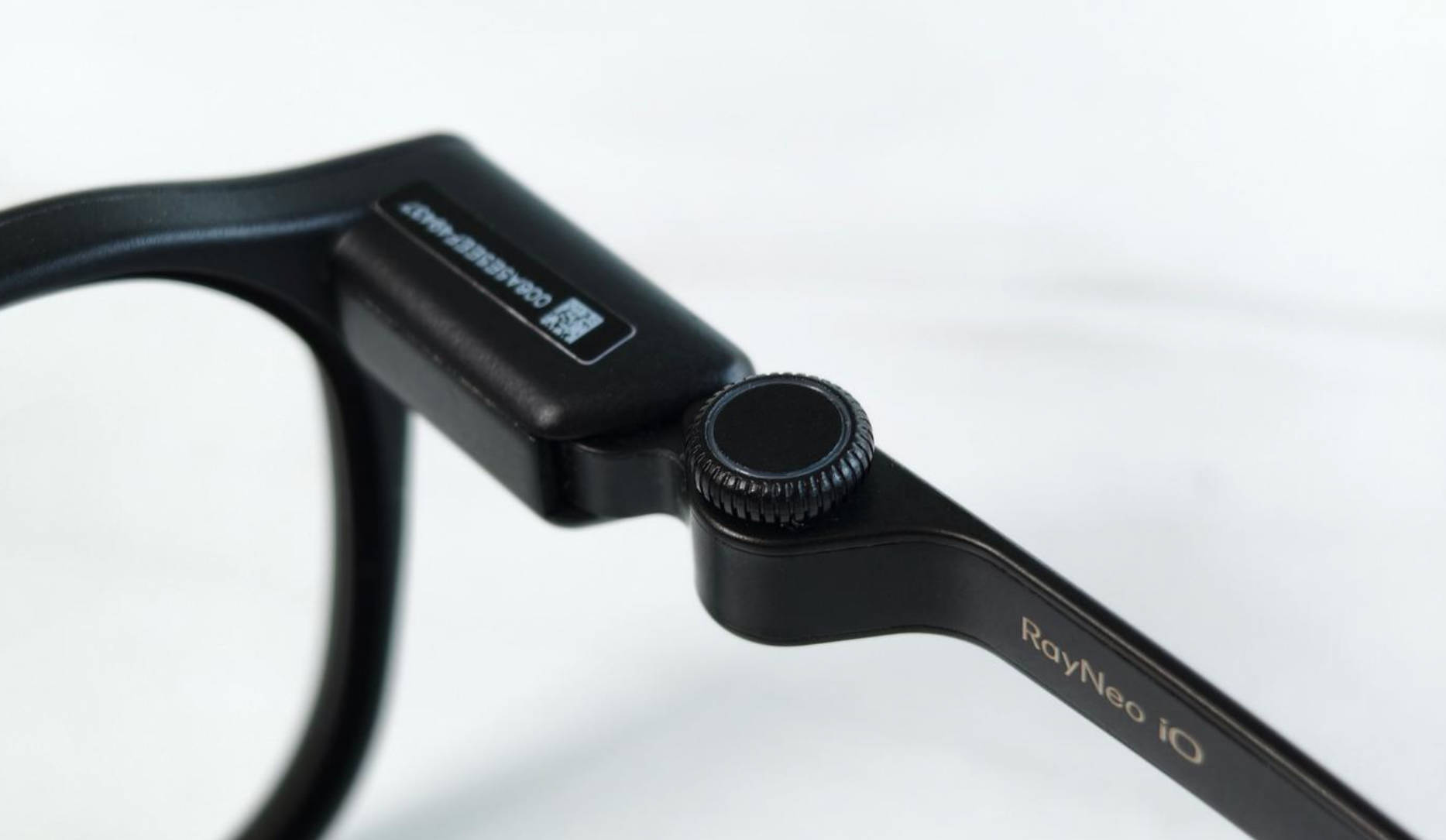
On the right temple hinge, there’s a neat little dial—that’s the only control you need. To use it, just lift your right hand lightly. Spin it to switch between different display screens, press quickly to go forward, hold it down to go back, and double‑tap to launch the RayNeo AI model. There’s no complicated logic; you can pick it up in two minutes. This simple control also adds to the “seamless” feeling when you use them daily.
Battery Life
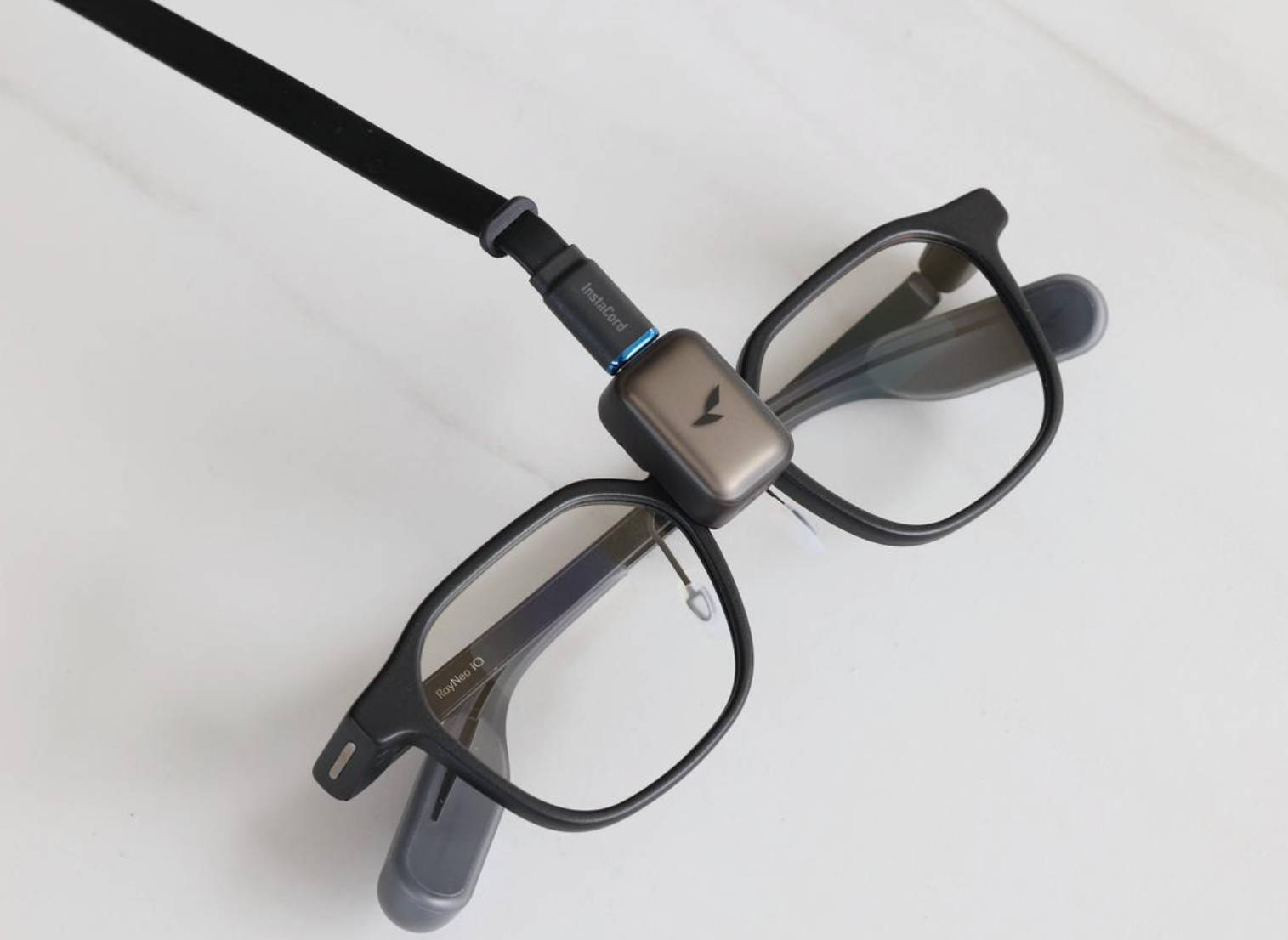
The iO has a 240mAh battery. In my testing, with all features turned on, it can last two days on a single charge. Even with the all‑day smart recording feature on, it still gives you 18 hours—more than enough for a full day. There are two ways to charge it: one is with the charging clip that comes in the box—just clip it onto the frame’s connector and plug it in. The other is like wireless Bluetooth earbuds—you can use a charging case.
Display Quality
It uses a color waveguide display. A tiny imaging chip creates the pixels, then the optical engine turns them into parallel light beams. Those beams travel through the waveguide lenses, where they get reflected and spread out inside, finally reaching your eyes. The result is a big‑screen‑like display effect that feels quite immersive.
local price in China: $345